
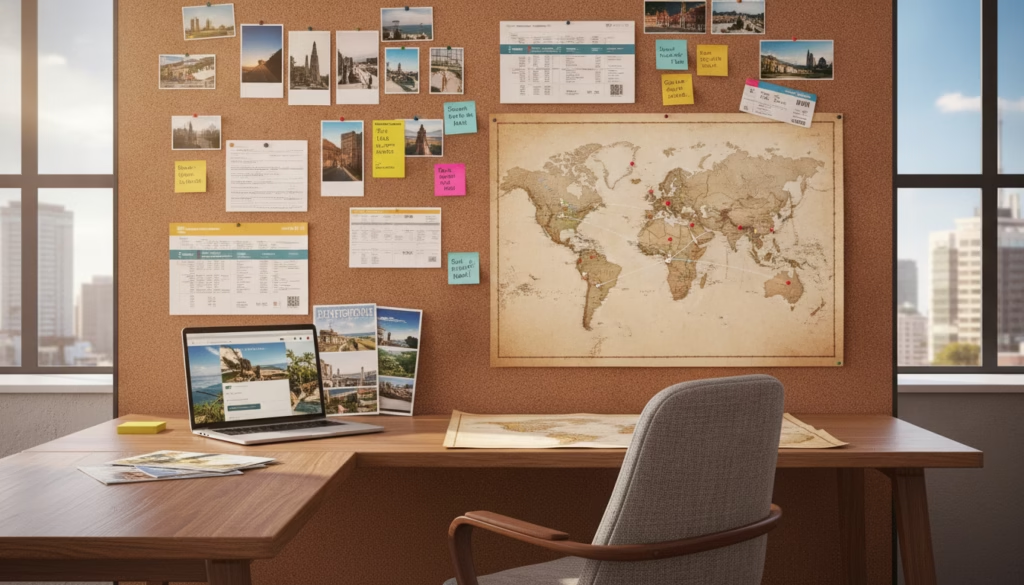
How to Plan a Trip: Step-by-Step Guide for Beginners Ever thought the key to a great vacation is in the planning? Many feel lost in travel details, but planning is a skill that grows with practice. Embracing the process means seeing small errors as part of learning.
Whether you’re new to travel or have done it before, a clear plan makes dreams come true. This vacation planning guide will help you plan your first big trip with ease. It makes the journey’s details clear and simple.
Good trip planning breaks big tasks into smaller ones. With these beginner travel tips, you can make your travel dreams real. Let’s look at the key steps to make every trip better and more fun.
Key Takeaways
- Successful travel starts with a structured mindset and realistic expectations.
- Learning from small mistakes is a natural part of becoming a better traveler.
- Breaking down logistics reduces stress and increases your overall confidence.
- Preparation is the bridge between dreaming about a destination and actually visiting it.
- A clear, organized approach ensures you spend more time enjoying your vacation.
Define Your Travel Goals and Budget
Travel planning begins long before you hit the airport. It’s about matching your dreams with your wallet. Knowing why you’re traveling keeps your goals clear.
Determine Your Travel Interests
Begin by collecting ideas from the internet. Look at Instagram, travel blogs, or Pinterest. Seeing what excites you helps decide between a calm beach or a bustling city.
After gathering ideas, sort them by experience type. This helps you focus on what’s truly important. Setting these goals early lays a strong foundation for your trip.
Set a Realistic Budget
A good vacation planning guide stresses the need for clear finances. First, pay for flights and good hotels. This saves you from price surprises later.
Organizing your spending helps avoid money worries abroad. Use the table below to plan your budget. This ensures you have enough for every part of your trip.
| Category | Priority Level | Estimated Allocation |
|---|---|---|
| Transportation | High | 40% |
| Accommodations | High | 30% |
| Food and Dining | Medium | 20% |
| Activities/Misc | Low | 10% |
Choose Your Travel Destination
Effective trip planning starts with picking a specific destination. The world offers many choices, but focus is key. By narrowing your options, you make sure your trip meets your goals and budget.
Research Potential Locations
Begin by making a list of 2-3 places you’d love to visit. Think about how much time you have and your energy levels. Don’t try to do too much on your trip to avoid getting tired.
Look at the practical side of each place. A busy city trip is different from a calm beach vacation. Picking a place that fits your pace is crucial for a good trip.
Consider Travel Restrictions
After picking places, check the entry rules for each. Look into visa requirements, health rules, and travel limits. Having your papers ready early is essential for a smooth trip.
Always check the latest travel info from official sites. This helps you plan without worries. Knowing you can get to your destination easily makes your trip planning more enjoyable.
Decide on Travel Dates
When you start your step-by-step travel planning, picking your travel dates is key. The right time to leave can save you money and make your trip better. Being flexible with your dates can lead to big savings on flights and hotels.
Consider Peak and Off-Peak Seasons
Travelers often have to choose between good weather and cheaper prices. Peak season is great for outdoor fun but is crowded and expensive. Traveling in the off-peak or shoulder season means fewer people and lower costs.
Visiting during these times can make your trip feel more personal and authentic. Think about whether perfect weather is worth the higher prices of peak season.
Factor in Local Events
Don’t forget to check the local events calendar. National holidays, music festivals, or big sports events can raise prices. They might also make it hard to find places to stay or visit certain spots.
Doing your homework on step-by-step travel planning helps you avoid surprises. If you want a quiet trip, skip big event dates. But, if you love local culture, going during a festival can be rewarding.
Create a Detailed Itinerary
Mastering the art of trip organization makes your journey smooth. A detailed plan is like a map, guiding you to must-see spots without stress.
Outline Daily Activities
Using a digital spreadsheet is a top itinerary tip. Group activities by neighborhood to cut down travel time. This saves hours you’d spend moving around a big city.
By grouping attractions, you spend less time traveling. This lets you dive deep into an area before exploring another. It’s a smart way to see more without feeling rushed.
Plan for Downtime
It’s tempting to fill every minute with sightseeing. But, it’s crucial to include downtime for a great trip. Resting and recharging keeps your energy up.
Balance busy days with calm ones. This mix makes your trip both fulfilling and fun. Think about how to plan your days for the best experience:
| Planning Style | Primary Benefit | Risk Factor |
|---|---|---|
| Strictly Scheduled | Maximum sightseeing | High burnout risk |
| Geographic Grouping | Reduced travel time | Requires prep work |
| Balanced Approach | Sustainable energy | Fewer total stops |
Your itinerary tips should be flexible. Leave some room for spontaneity or a quiet coffee in a local cafe. This adds to the trip’s charm.
Book Your Accommodations
Where you stay can make a big difference in your vacation. The right place gives you a cozy spot to relax after a busy day. It’s key to pick lodging that matches your travel style.
By planning this step well, you make sure your base supports your plans. It won’t get in the way of your adventures.
Compare Hotel Options
Today’s travelers have great tools to find the perfect room. Sites like Trivago let you compare prices from many places at once. This saves you a lot of time and effort.
When using these sites, use advanced filters to narrow your search. You can sort by price, guest ratings, or special features like free cancellation. These filters help you find great deals that fit your budget.
Consider Alternative Lodging
While hotels are reliable, trying something different can be more authentic and memorable. Boutique hotels show off local designs, and private apartments offer kitchens and more space.
Think about these options if you want to live like a local. Whether it’s a cozy guesthouse or a modern rental, the right place makes your trip better.
Arrange Transportation
Planning your travel early helps you enjoy your trip more. It reduces stress by figuring out how to get to your destination and around once you’re there. Being prepared means you’re ready for any unexpected delays.

Research Flight Options
Begin by using trusted flight search engines to look at different routes and prices. These tools show you all the flight times, making it easier to pick the best ones for you. Always book your flights directly with the airline for better service and easier changes.
Booking directly can save you from trouble if your flight is cancelled or changed. Even if other sites seem cheaper, direct bookings offer a safety net that’s worth it. Make sure to check your baggage allowance and seat choice when you book to avoid surprises at the airport.
Explore Local Transportation
After you arrive, having a good plan for getting around is key. Look into the local public transport, like subways or buses, to see if they reach your destinations. Many cities now have digital transit passes you can use on your phone for easy travel.
If you want more freedom, think about renting a car or using ride-sharing services. Always check the local parking rules and traffic before renting a car. Here’s a quick guide to help you choose the best way to get around.
| Mode of Transport | Best For | Convenience Level | Cost Estimate |
|---|---|---|---|
| Public Transit | Urban Exploration | High | Low |
| Rental Car | Rural/Remote Areas | Medium | High |
| Ride-Sharing | Short Trips | Very High | Medium |
| Bicycle Rental | City Sightseeing | Medium | Low |
Plan Your Meals
Food is a big part of any trip, so planning meals is key to trip organization. Think about where you’ll eat before you go to avoid hunger. This way, every meal adds to your memorable travel experience.
Research Local Cuisine
First, learn about the local dishes and traditions of your destination. Look up local specialties to find authentic places. Use travel blogs, food forums, or social media to find genuine tastes of the region.
Make a list of restaurants you must visit. This helps you skip bad places for great ones. Exploring these options is crucial for a well-organized trip.
Make Restaurant Reservations
After picking your favorites, check if they need reservations. Many popular spots book up fast, even more so during busy times. Book early to ensure you get in.
If a place doesn’t take reservations, find out their busy times. Plan your meals to fit your schedule. Preparation makes your trip better and more relaxed.
Prepare Important Documents
Having the right documents is key for a smooth trip abroad. Not organizing your papers can cause big delays or even stop you from boarding. By following these itinerary tips, you’ll meet all international rules.
Ensure Your Passport is Valid
Your passport is the most important thing in your travel checklist. Many places need your passport to be good for at least six months after you come back. If it’s set to expire sooner, you might not get in.
Look at your passport’s expiration date early. If you need a new one, start the process right away. This way, you avoid last-minute worries. Proactive planning keeps your trip on track.
Keep Copies of Important Documents
Good travel preparation means having a backup for your important papers. Carry photocopies of your passport, visa, and travel insurance in a different bag from the originals. This helps if your main documents get lost or stolen.
Also, save digital copies of your documents in a safe, encrypted cloud service. This lets you get to your info from anywhere if something bad happens. Keeping digital backups is a smart move for every traveler.
Pack Efficiently
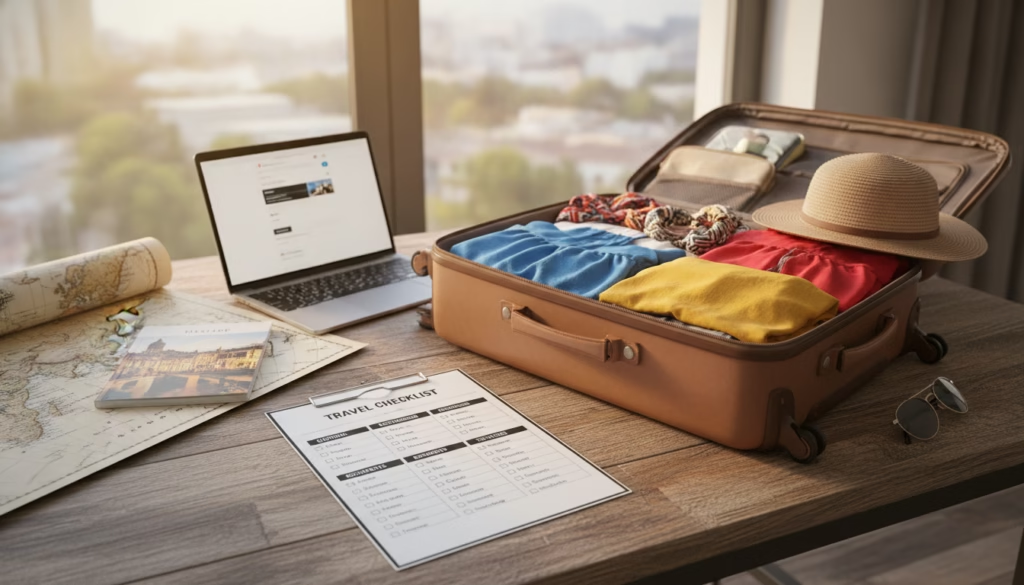
Packing well turns your luggage into an organized system. This skill helps you avoid carrying too much weight. It also makes sure you have everything you need for your trip. By choosing versatile clothing and essential items, you can travel light and move easily through airports.
Create a Packing List
A detailed travel checklist is your guide to a smooth start. Begin with must-haves like medications, chargers, and travel documents. Then, add clothing and toiletries. Checking off items as you pack gives you peace of mind and helps you avoid forgetting important things.
Organizing your items into categories helps you see what you really need. You might group things by function, like electronics, personal care, and clothes. Having a digital travel checklist on your phone makes it easy to update while traveling.
Consider Climate and Activities
Think about the weather and activities at your destination when packing. Check the local forecast to pack the right layers. Versatility is key; choose items that can be mixed and matched to adapt to changing conditions without overpacking.
To keep things tidy and use space well, consider packing cubes. These tools help you compress clothes and separate different items. This makes it easy to find what you need without unpacking your whole bag. By packing for your specific activities, you’ll be ready for any adventure.
Stay Flexible and Enjoy the Journey
Traveling well is more than just a list. It’s about knowing that small problems are part of the fun. Your goal should be to be ready for anything.
Have a Backup Plan
Always keep your passport and important items in a hotel safe. Save local emergency numbers in your phone and on a card. This way, you can face any issue with confidence.
Embrace Unexpected Adventures
Remember, the best stories come from surprises. If a train is late or a museum closes, find a local cafe or park. Being flexible turns a bad moment into a great story. It makes every trip memorable.