Best time to visit Southeast Asia: month-by-month guide Planning a dream vacation in the tropics needs careful planning. Knowing the local weather helps make your trip comfortable and fun.
The best time to visit is between November and February. The weather is nice, perfect for outdoor fun without too much heat or rain.
This comprehensive resource is your key guide for Southeast Asia. We’ll help you understand the weather and seasons. This way, you can pick the best time for your adventure.
Key Takeaways
- November through February provides the most comfortable weather for most travelers.
- Regional climate variations significantly impact your overall experience.
- Planning around seasonal shifts helps avoid extreme heat or monsoon rains.
- Strategic scheduling ensures you enjoy outdoor activities with ease.
- Understanding local weather patterns is vital for a successful trip.
Understanding Southeast Asia’s Climate Patterns
The southeast asia weather is not the same everywhere. It’s shaped by winds and the land itself. Many think it’s always sunny, but it’s actually more complex. Knowing about these patterns helps you enjoy your trip more.
The Influence of the Monsoon Seasons
The southeast asia climate is mainly influenced by the monsoon. The south-west monsoon comes from May to September, bringing wet air from the Indian Ocean. This wind change starts the rainy season.
Expect lots of rain during these months. But don’t worry, it’s good for the green landscapes. The rain can also cool you down after the hot tropical days.
Regional Variations Across the Peninsula and Islands
Where you are in Southeast Asia affects the weather. Countries like Thailand and Vietnam have clear wet and dry seasons. But places near the equator, like Indonesia and the Philippines, have more varied weather.
This means you can find sunny spots and rainy areas at the same time. This makes it possible to travel all year if you pick the right place. Here’s a table showing some climate differences:
| Region Type | Primary Influence | Rainy Season Peak | Climate Characteristic |
|---|---|---|---|
| Mainland | Monsoon Winds | June to October | Defined Wet/Dry Seasons |
| Maritime | Equatorial Currents | November to March | High Humidity Year-round |
| Coastal Areas | Oceanic Breezes | Variable | Moderate Temperature |
The Best time to visit Southeast Asia: month-by-month guide
Knowing the southeast asia weather is key to a great trip. The region is always open, but seasons change your experience. The best time to visit southeast asia varies based on what you like, like temperature or crowd levels.
Dry Season Highlights: November to February
This is the top time for exploring. The southeast asia climate is cool and dry, perfect for outdoor fun. Expect clear skies and nice temperatures in most places.
It’s great for hiking in Northern Thailand or seeing Angkor Wat’s temples. The weather is so nice, it’s the busiest time. Book your stay early to get the best spots.
The Hot Season: March to May
As the dry season ends, it gets hotter and more humid. It’s tough for sun lovers, but coastal areas are cooler thanks to sea breezes.
“The heat of the afternoon is a small price to pay for the vibrant festivals and quiet beaches that define the shoulder of the season.”
The Rainy Season: June to October
Don’t skip the rainy season. The southeast asia climate is lush and green. You’ll find fewer people at famous spots, making your trip more personal.
Travelers on a budget like this time because prices are lower. While it rains a lot, it’s usually short and refreshing. Enjoy the rain for unique experiences most miss.
| Season | Months | Weather Profile | Traveler Benefit |
|---|---|---|---|
| Dry | Nov – Feb | Cool and Dry | Perfect for sightseeing |
| Hot | Mar – May | Hot and Humid | Great for beach lovers |
| Rainy | Jun – Oct | Wet and Lush | Lower costs and fewer crowds |
Planning Your Trip by Region
Creating the perfect southeast asia itinerary means knowing the area well. It covers thousands of miles, with weather changing a lot from one place to another.
A good southeast asia trip planner helps you deal with these changes. By planning your trip by region, you can avoid bad weather and enjoy sunny days.
Mainland Southeast Asia: Thailand, Vietnam, Cambodia, and Laos
The mainland has mountains, rivers, and old temples. Places like Thailand and Vietnam have wet and dry seasons, influenced by monsoons.
The best time to visit is during the cooler, dry months. You can see Bangkok’s busy streets or Laos’ calm landscapes without rain.
“Travel is the only thing you buy that makes you richer, when you pick the right season.”
Maritime Southeast Asia: Indonesia, Malaysia, and the Philippines
Maritime areas are different, with tropical islands and hot weather. Remember, these islands have their own weather patterns, unlike the mainland.
For example, while some areas might be rainy, Indonesia’s dry spots are great for diving. Knowing these island weather patterns is key to a great trip.
| Region | Best Weather | Key Activity |
|---|---|---|
| Mainland | Nov – Feb | Cultural Tours |
| Maritime | May – Sept | Island Hopping |
| Overall | Shoulder Months | Budget Travel |
Using a southeast asia trip planner helps you plan between these zones. Whether you want mountains or beaches, knowing the regions is crucial.
Navigating Peak, Shoulder, and Low Seasons
Planning ahead is key to enjoying Southeast Asia without the crowds. Knowing the local tourism calendar helps you maximize your enjoyment and avoid stress. Picking the right time for your trip can turn a chaotic vacation into a peaceful escape.
Benefits of Traveling During the Shoulder Season
The shoulder season is just before or after the peak tourist months. Here, you’ll find significantly lower prices on flights and luxury stays. This lets you travel further on your budget than in the busy winter.
The shoulder season also gives you a more authentic local experience. With fewer tourists, you can talk more with locals and enjoy a slower pace. Popular spots are less crowded, making for better photos and a deeper cultural connection.
Strategies for Avoiding Crowds at Popular Landmarks
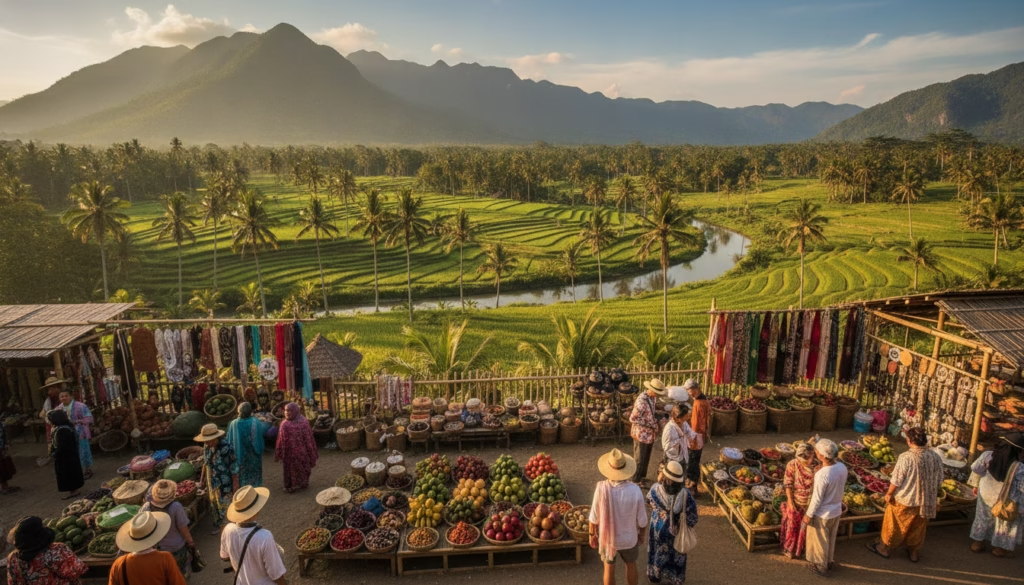
Even in busy times, you can still visit famous sites quietly. The best way is to arrive at sunrise before the big tour buses. Being the first at a temple or beach creates a magical, quiet scene that’s hard to find later.
Another smart move is to visit mid-week. Most locals and weekend tourists go to big landmarks on Saturdays and Sundays. By going on Tuesdays or Wednesdays, you can drastically reduce the number of people around you.
Lastly, explore hidden spots that are just as beautiful as famous places. Many areas in Southeast Asia have untouched gems. Choosing these places means you avoid the crowds while still seeing the stunning natural beauty of the region.
Essential Packing Tips for Variable Weather
Smart packing is key to enjoying your Southeast Asian trip. The region’s weather can change quickly, from hot outside to cool inside. Your clothes need to be flexible. Follow these southeast asia travel tips to stay ready for any day.
Layering for Tropical Humidity and Air Conditioning
Choosing breathable clothes is crucial. Go for lightweight, moisture-wicking fabrics like linen or bamboo. They let your skin breathe in the humid air and dry fast, keeping you cool.
But don’t underestimate the cold air in malls, buses, and hotels. Carry a light jacket, pashmina, or thin windbreaker. This keeps you warm when you go inside.
Must-have Gear for Rainy Season Exploration
Traveling in the rainy season? Your gear must be tough. Rain can come suddenly, so you need the right protection. Here are some must-haves:
- High-quality dry bag: Safeguard your electronics and passport from rain.
- Lightweight rain poncho: Better than umbrellas for crowded streets.
- Waterproof sandals: Good grip for wet and slippery paths.
- Quick-dry travel towel: Handy for sudden storms.
With versatile layers and waterproof gear, you’re set for any weather. These southeast asia travel tips let you enjoy your trip without worrying about your stuff. Light luggage makes traveling easier too.
Managing Travel Logistics and Budgeting
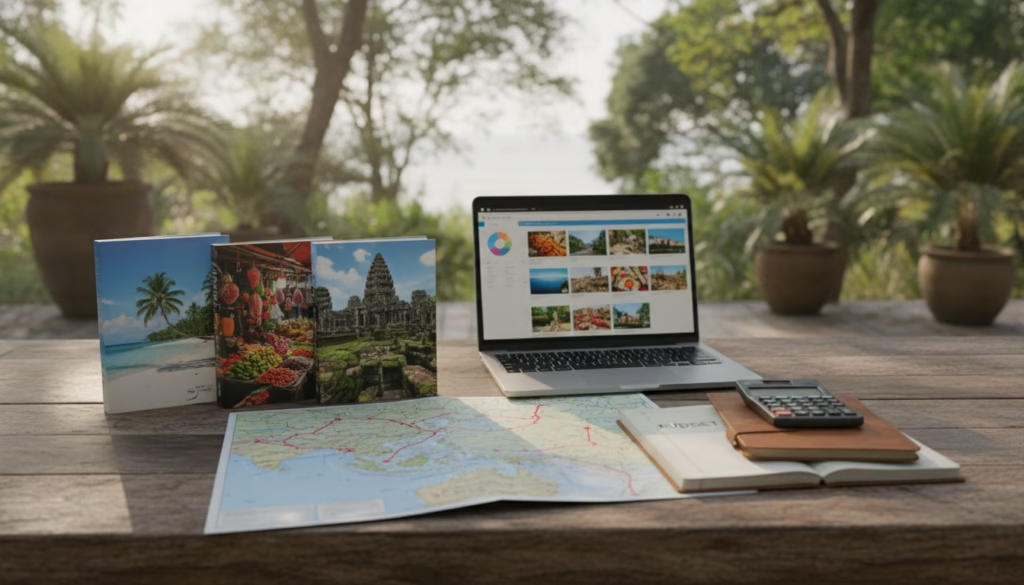
A well-organized budget is key to a great trip in Southeast Asia. It doesn’t matter if you’re a backpacker or prefer luxury. Keeping track of your spending helps you stay on budget. This way, you can enjoy your trip without worrying about money.
Booking Flights and Accommodations in Advance
Booking early can save you a lot of money. By securing flights and hotels months in advance, you can get early-bird discounts. This is crucial for popular spots where rooms fill up fast.
Using a good southeast asia trip planner helps you find the best deals. Booking directly with hotels can also get you extras like free breakfast. Being flexible with your travel dates can also save you money on flights.
“The bitterness of poor quality remains long after the sweetness of low price is forgotten.”
How Seasonal Demand Affects Pricing
Knowing the seasons is key to saving money. Prices go up during the dry season, when the weather is best for outdoor fun. But, traveling in the shoulder season can be cheaper without losing out on quality.
To save money, try these tips:
- Travel during the months between the wet and dry seasons.
- Choose flights mid-week to avoid weekend price hikes.
- Stay in locally-owned places to support the community and save.
Planning your southeast asia itinerary with the seasons in mind can stretch your budget. Smart planning lets you enjoy top-notch experiences without breaking the bank.
Cultural Considerations and Local Festivals
Traveling through Southeast Asia lets you see ancient traditions and lively community life. Knowing the local calendar is key to finding the authentic experiences. Plan ahead to match the region’s spirit and avoid travel problems.
Timing Your Visit Around Major Holidays
Visiting during major festivals gives a deep look into local culture. But, these celebrations change daily life a lot. Public transport, banks, and shops might close for days during holidays.
Two famous events are:
- Tet (Vietnamese New Year): It’s a time for family reunions, making travel busy and many shops close.
- Songkran (Thai New Year): It’s known for big water fights, a fun experience but expect wet streets and crowded places.
If you travel during these times, book your transport and stay early. Being flexible helps you deal with closures easily.
Respecting Local Traditions and Dress Codes
Southeast Asia has many religious and cultural practices to respect. When visiting temples, mosques, or villages, your clothes matter. Modesty is highly valued in these places.
Here are some tips for positive interactions with locals:
- Cover your shoulders and knees: This is needed for most temples and religious sites.
- Remove your shoes: Look for a pile of footwear outside, it means leave yours there.
- Mind your gestures: Don’t point your feet at people or statues, it’s seen as rude.
By following these traditions, you show real respect for local life. This can lead to warmer welcomes and deeper connections with locals.
Health and Safety Precautions for Travelers
Traveling in Southeast Asia’s tropical climate needs careful planning for safety. By following key southeast asia travel tips, your trip can be unforgettable. Keeping yourself safe lets you dive into the local culture without stress.
Staying Hydrated and Avoiding Food-borne Illness
The heat and humidity here are intense. Staying hydrated is crucial. Always carry a reusable water bottle and drink purified or bottled water to avoid stomach problems. If unsure, skip ice in drinks.
Here’s how to stay safe at local markets:
- Choose busy stalls where food is cooked fresh in front of you.
- Avoid raw vegetables or peeled fruits that may have been washed in tap water.
- Ensure that meat and seafood are served piping hot.
- Wash your hands frequently or use an alcohol-based sanitizer before every meal.
Vaccinations and Travel Insurance Essentials
Before you leave, check with a travel clinic about needed vaccinations. Many southeast asia travel tips stress the need for protection against diseases like Hepatitis A and Typhoid. Being medically prepared lets you enjoy your trip without worry.
Travel insurance is also crucial. A good policy should cover emergency medical evacuations and unexpected hospital stays. Always keep a digital and physical copy of your insurance documents with you. These simple steps ensure a safe and enjoyable adventure.
Conclusion
Planning your dream trip is all about timing and preparation. This southeast asia travel guide helps you navigate different climates and cultures easily.
Every place in southeast asia is beautiful, no matter the month. You can find hidden spots in the shoulder season or enjoy local festivals in peak times.
Think about what you want to see and do as you plan your trip. Pack smart and respect local customs for a truly memorable journey.
The wonders of southeast asia await you. Book your flights and hotels now to get the best deals for your adventure.