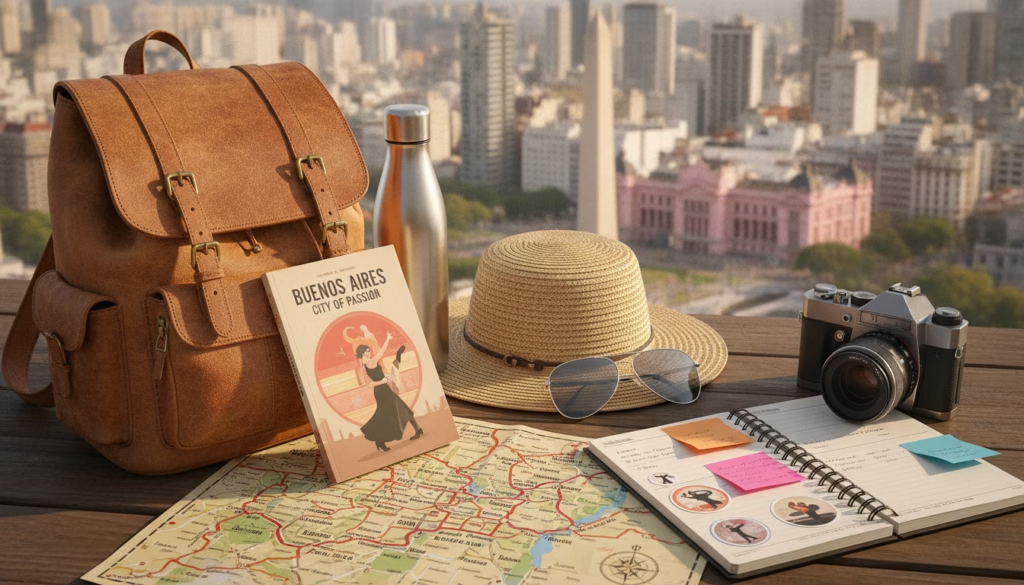
Ever thought a city could mix two continents’ souls? This lively city is Argentina’s main entry. It combines European-style architecture with Latin American passion.
Home to over 3 million people, it’s a cultural hotspot. It has history, art, and top-notch food, drawing visitors worldwide. Knowing these Buenos Aires travel essentials makes exploring easy.
Looking for secret tango spots or old cafes? This place offers unforgettable moments. Let’s dive into the basics for your trip.
Key Takeaways
- The city is the main entry for all Argentine adventures.
- It offers a unique mix of European looks and local culture.
- Its 3 million residents make it lively and energetic.
- World-class food and historic art scenes are part of the experience.
- Being prepared is key to enjoying the city.
Overview of Buenos Aires
Buenos Aires is known as the Paris of South America. It mixes European style with Latin American flair. This big city is on the western side of the Rio de la Plata. It’s a key entry to Argentine culture. This Buenos Aires Travel Guide will help you explore its urban layout.
Introduction to the City
The city is known for its wide streets, grand buildings, and unique areas. Each area has its own vibe, from San Telmo’s old charm to Puerto Madero’s modern feel. Visitors often find themselves enchanted by the city’s mix of modern life and traditional pace.
Brief History
The city started in the 16th century as a small colonial port. It grew into a global cultural center. Despite political and economic ups and downs, it remains a strong South American influence. Today, you can see its history in its landmarks and squares.
Cultural Significance
The city is all about art, passion, and diverse influences. It’s where tango, a dance of deep emotions, was born. This Buenos Aires Travel Guide shows how the city’s identity is shaped by its literature, museums, and love for social events.
Best Times to Visit
Planning your visit to Buenos Aires can make all the difference. The city is lively all year, but some times are better for walking and dining outside. Follow these Buenos Aires tips to pick the best time to visit.
Seasonal Highlights
Spring, from September to November, is the ideal season to visit. The city is beautiful with jacaranda trees in full bloom. The weather is mild, perfect for exploring on foot.
Autumn, from March to May, is also great. The city’s parks are stunning with golden leaves. It’s a calm time to enjoy the local culture.
Local Festivals
The city hosts many cultural events. August brings the Tango Buenos Aires Festival and World Cup. It’s a time for tango lovers from around the world to gather.
Other highlights include the Buenos Aires Jazz Festival and art exhibitions. Check the local event schedule before you go. These events showcase the city’s artistic heart.
Weather Considerations
Knowing the weather is key for a smooth trip. Summers are hot and humid, over 30 degrees Celsius. Stay indoors during the hottest part of the day.
Winter is cooler, ideal for cozy cafes. Autumn might see some rain, but it rarely lasts long. Use these Buenos Aires tips to pack right for the weather.
| Season | Temperature Range | Best For |
|---|---|---|
| Spring | 12°C – 22°C | Outdoor walking and sightseeing |
| Summer | 20°C – 30°C+ | Nightlife and summer festivals |
| Autumn | 13°C – 21°C | Photography and park visits |
| Winter | 8°C – 16°C | Museums and cafe culture |
Getting Around Buenos Aires
Exploring Buenos Aires is easy with its great transit system. You’ll find many Buenos Aires transportation options that make getting around simple. This lets you travel smoothly across the city.

Public Transportation Options
The Subte is the heart of the city’s transit. It’s a big underground rail network that links key areas. To use it, you need a SUBE card. This card is essential because you can’t pay with cash on public transport.
Walking Tours and Bike Rentals
Walking tours give you a close-up view of the city’s buildings. Many people also rent bikes to explore. This is a fun way to see the city and is good for the environment.
Taxi Services
Taxis are easy to find and get you where you need to go. Always use official taxis or apps like Cabify or Uber for safety and fair prices. This way, you avoid scams.
| Method | Best For | Payment | Convenience |
|---|---|---|---|
| Subte | Long distances | SUBE Card | High |
| Bike Rental | Sightseeing | App/Credit | Medium |
| Taxi/Ride-share | Direct travel | App/Cash | Very High |
Must-See Attractions
The city is a treasure trove of culture, from colorful alleys to grand museums. Exploring the Buenos Aires cultural highlights is the best way to grasp the local spirit. These attractions are spread across the city’s unique neighborhoods.
The Vibrant Streets of La Boca
La Boca is a standout area, known for its brightly painted zinc houses. The Caminito street museum gives a peek into the immigrant history of the area.
Here, visitors can enjoy live tango on street corners and check out local art stalls. It’s a feast for the senses, showcasing the artistic essence of the district.
Historical Landmarks
The city is rich in historical sites that tell Argentina’s story. The Plaza de Mayo is the heart of politics, surrounded by iconic buildings like the Casa Rosada.
The Recoleta Cemetery is another must-see. It’s famous for its grand mausoleums and is the final resting place of Eva Perón and others.
Parks and Public Spaces
The city also has vast green spaces that are key to local life. The Bosques de Palermo offer a peaceful retreat with its rose gardens and lakes.
Art lovers should visit the MALBA museum. It showcases stunning Latin American art in a modern building.
Here are some top spots to visit:
- Caminito: Great for photos and local crafts.
- Plaza de Mayo: A hub of history and politics.
- Recoleta Cemetery: A unique architectural wonder.
- MALBA: Ideal for modern art fans.
- Bosques de Palermo: Perfect for a calm walk.
Dining and Cuisine
Buenos Aires is known for its love of quality ingredients and traditional cooking. Eating here is more than just getting food; it’s a chance to enjoy the moment. When you look for Buenos Aires local cuisine suggestions, you’ll find a focus on great beef and Malbec wine.
Traditional Argentine Dishes
The heart of local food is the asado, a barbecue that brings out the best in meat. You’ll also find many regional dishes that show off the local taste.
- Empanadas: Savory pastries filled with meat, cheese, or vegetables.
- Milanesa: A thin, breaded meat fillet often served with fries or mashed potatoes.
- Dulce de Leche: A rich, creamy caramel spread found in almost every dessert.
While meat is big in Buenos Aires, you can also find creative vegetarian dishes. Places like Palermo offer great plant-based options for everyone.
Recommended Restaurants
Don Julio is a top spot for a real Argentine experience. It’s famous for its steaks and wide wine selection.
“The secret to a great meal in Buenos Aires is patience; let the wine breathe and enjoy the conversation.”
Remember, service is usually included in the bill, but a small tip is nice. Always check if a cubierto charge is added for table service.
Food Markets and Street Vendors
Local markets are key to understanding Buenos Aires’ food scene. The Mercado de San Telmo is great for finding local cheeses, spices, and snacks.
Street vendors are perfect for a quick bite while exploring. Try choripán, a chorizo sandwich, for a true street food experience. These spots are great for Buenos Aires local cuisine suggestions when you’re in a hurry.
Accommodations
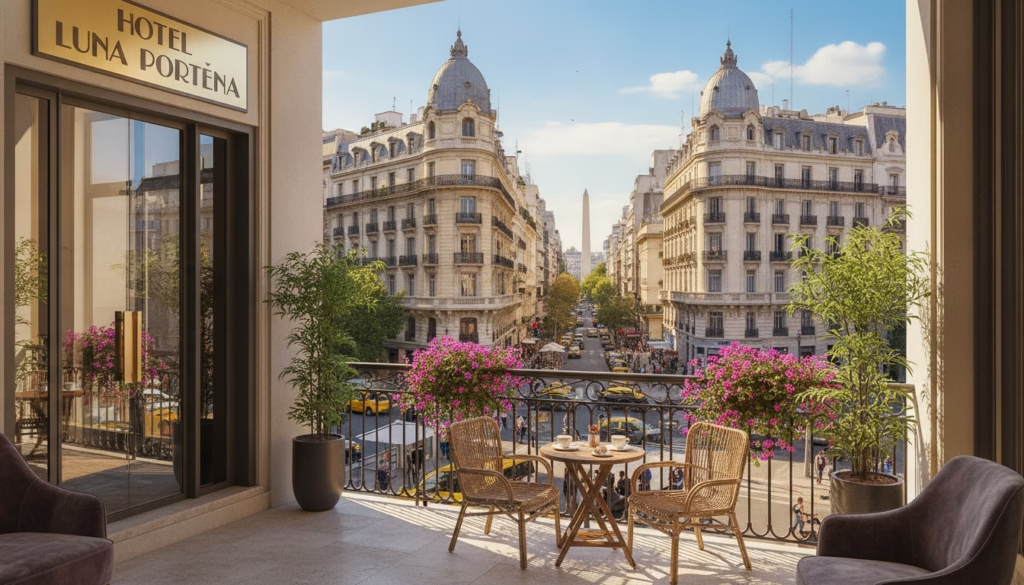
Your choice of accommodation greatly affects your experience in Buenos Aires. The right place balances being close to landmarks with a quiet spot to relax. Knowing the unique feel of each district is key when looking for Buenos Aires accommodation recommendations.
Popular Neighborhoods for Tourists
Buenos Aires is made up of different areas, each with its own vibe. Your choice depends on what you want: nightlife, history, or parks.
- Palermo: It’s the trendiest area, with green streets, cool shops, and lots of cafes.
- Recoleta: This place is elegant, with beautiful buildings, fancy restaurants, and the famous cemetery nearby.
- San Telmo: Great for history buffs, with old streets, a bohemian feel, and lively markets on weekends.
Budget-Friendly Lodging
For those on a budget, Buenos Aires has many affordable options. Hostels in San Telmo are social, while Palermo guesthouses are cozy. These places offer good value, with breakfast and kitchen access included.
“The true spirit of Buenos Aires is found in the warmth of its people and the welcoming nature of its local guesthouses.”
Looking for affordable stays? Focus on safety and cleanliness. Check recent reviews to find great deals.
Luxury Options
For a fancy stay, Buenos Aires has top-notch hotels and historic places. These offer personal service, pools, and fine dining. Staying in Recoleta or Palermo means a sophisticated base for your adventures.
These luxury spots mix modern comforts with the city’s old charm. A high-end stay means a cozy place to rest after exploring. Whether you pick a modern room or a restored mansion, your comfort is the main goal.
Safety Tips for Travelers
Planning a trip to Argentina? Knowing local safety tips is key to exploring Buenos Aires with ease. This city, like London or New York, has its own security measures. Follow these Buenos Aires tips to enjoy the culture and sights without worry.
General Safety Guidelines
Staying safe is all about common sense. Carry your phone or wallet in a cross-body bag you can see. Avoid showing off expensive jewelry or fancy gadgets in crowded spots.
Walking at night? Stick to bright, busy streets. Use trusted taxi apps or hotel transport to get around safely. These Buenos Aires safety tips help you stay low-key and safe.
Areas to Avoid
Most tourist spots are safe, but some areas need extra care, mainly at night. Always ask your hotel about the safety of places you want to visit.
Emergency Contacts
Being ready for emergencies makes your trip worry-free. Save important numbers in your phone or on a card. For quick help, dial these numbers:
| Service | Emergency Number | Description |
|---|---|---|
| Police | 911 | General emergency assistance |
| Medical | 107 | Emergency ambulance services |
| Fire Department | 100 | Fire and rescue support |
| Tourist Police | 0800-999-5000 | Specialized support for visitors |
Currency and Payment Methods
Planning your finances is key when traveling to Buenos Aires. Argentina uses cash for most transactions. Knowing this can make your trip smoother.
Currency Exchange Tips
The local currency is the Argentine Peso. But, exchange rates can be tricky for visitors. You’ll find big differences between official rates and what you get in the city.
Bring high-value U.S. dollars to exchange when you arrive. Never exchange money with street vendors to stay safe. Stick to official exchange houses or trusted financial services.
Acceptable Payment Methods
Credit cards work in hotels and fancy restaurants. But, cash is preferred in smaller shops and cafes. Carry small pesos for taxis, kiosks, and markets.
The SUBE card is a must for public transport. You can’t pay with cash on buses or the subway. Buy your card at a kiosk as soon as you arrive.
- SUBE Card: Essential for all public transit.
- Cash: Necessary for small purchases and tips.
- Credit Cards: Useful for larger hotels and formal dining.
Tipping Guidelines
Tipping is common in Buenos Aires, but not as strict as in the U.S. Leave about 10% of the bill in restaurants.
For taxis, rounding up the fare is polite. Keep small bills handy for tips. This way, you can show appreciation without needing change.
Unique Experiences
Exploring the heart of the city creates unforgettable memories. You can truly experience Argentina by taking part in these cultural highlights in Buenos Aires.
Tango and Artistic Expression
The city’s rhythm beats in its dance halls. You might see a pro performance at El Viejo Almacén or try a beginner class at a local milonga. This lets you feel the passion up close.
Visiting local art galleries and music venues deepens your connection to the city’s creative vibe. Every neighborhood has its own unique energy.
Venturing Beyond the City Limits
A trip to the Tigre River Delta is a peaceful escape into nature. You can visit traditional estancias to see the rural life that shapes Argentina’s identity. These trips are key to understanding Buenos Aires’ culture.
Your adventure in this amazing place is waiting. Start planning your trip now to see the best of Buenos Aires. The city’s unique rhythm is ready to greet you.